
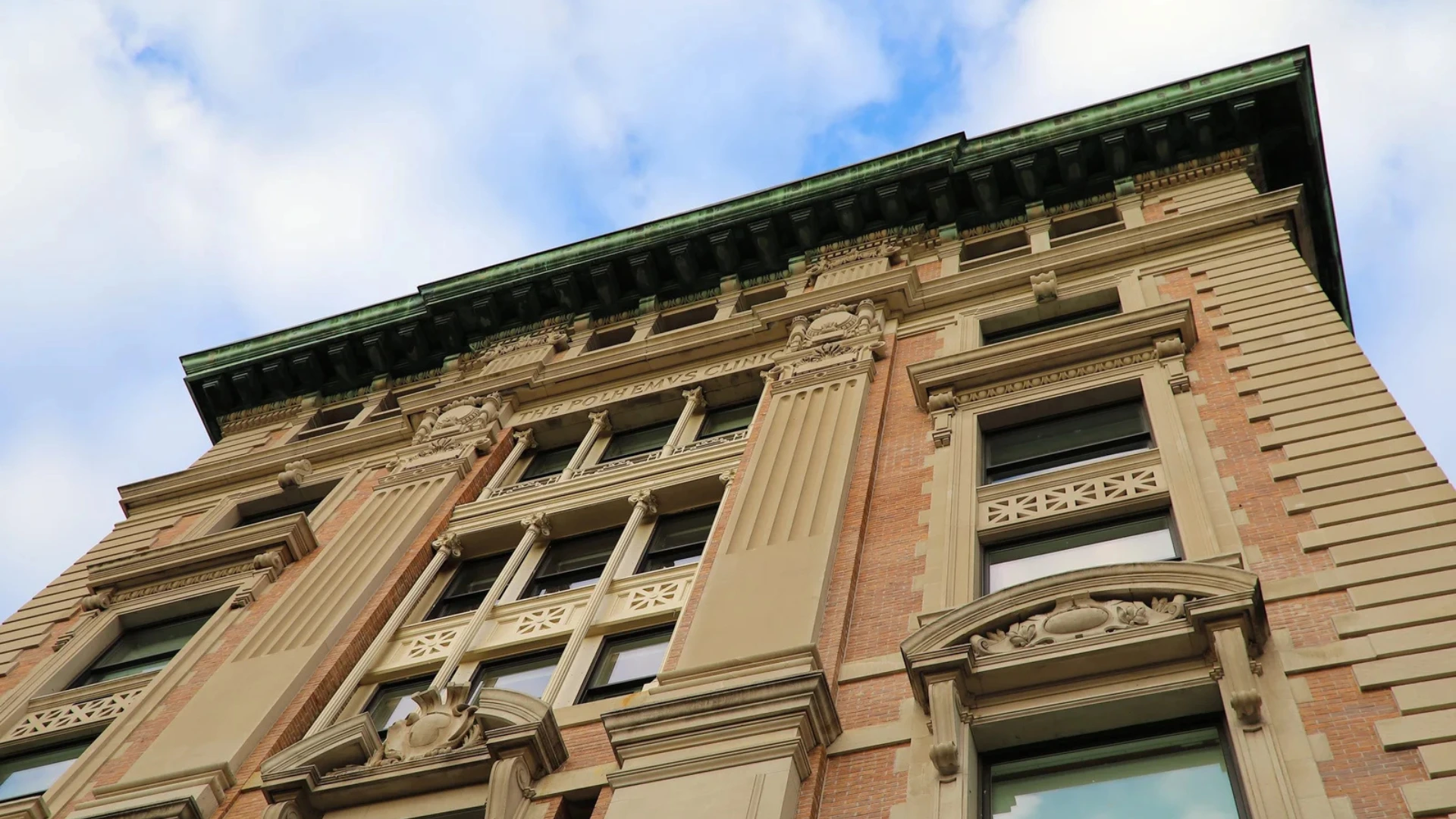

Why Building Façade Maintenance Matters for New York Properties
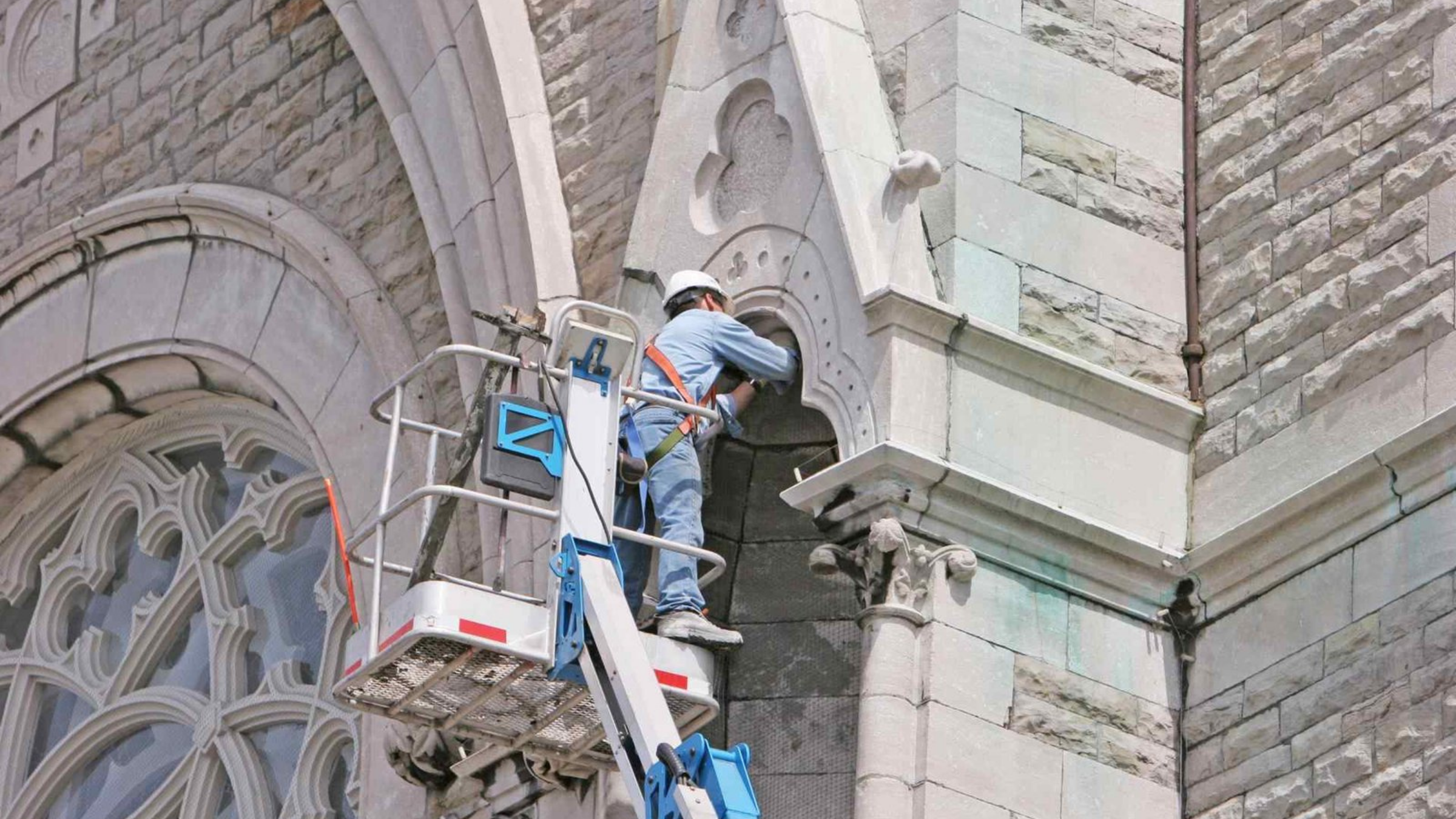
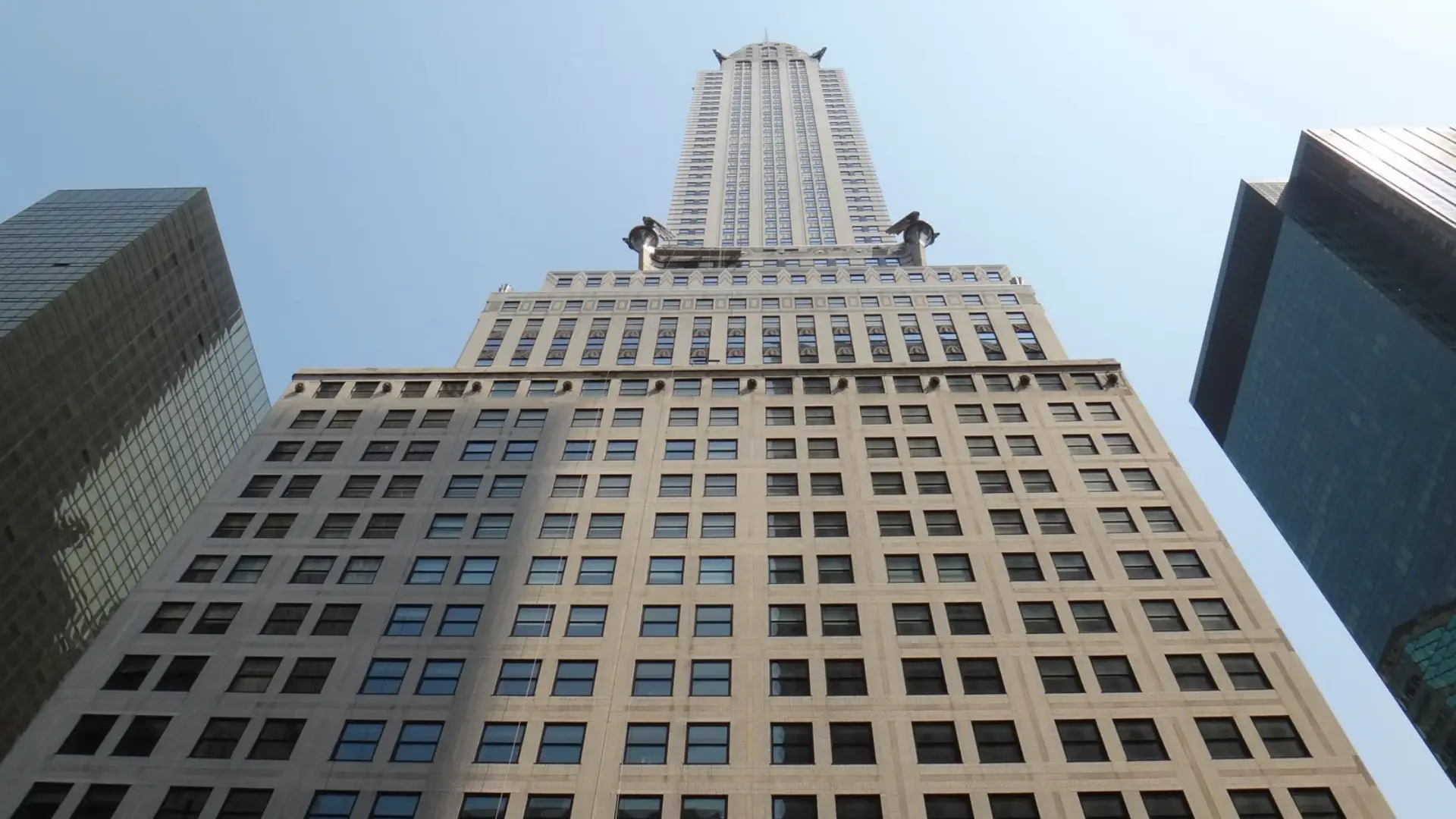
A building’s façade does more than define its appearance. It serves as the first line of defense against weather, moisture, temperature fluctuations, and everyday environmental exposure. Over time, even well-constructed façades can experience deterioration that affects both the performance and safety of the building.
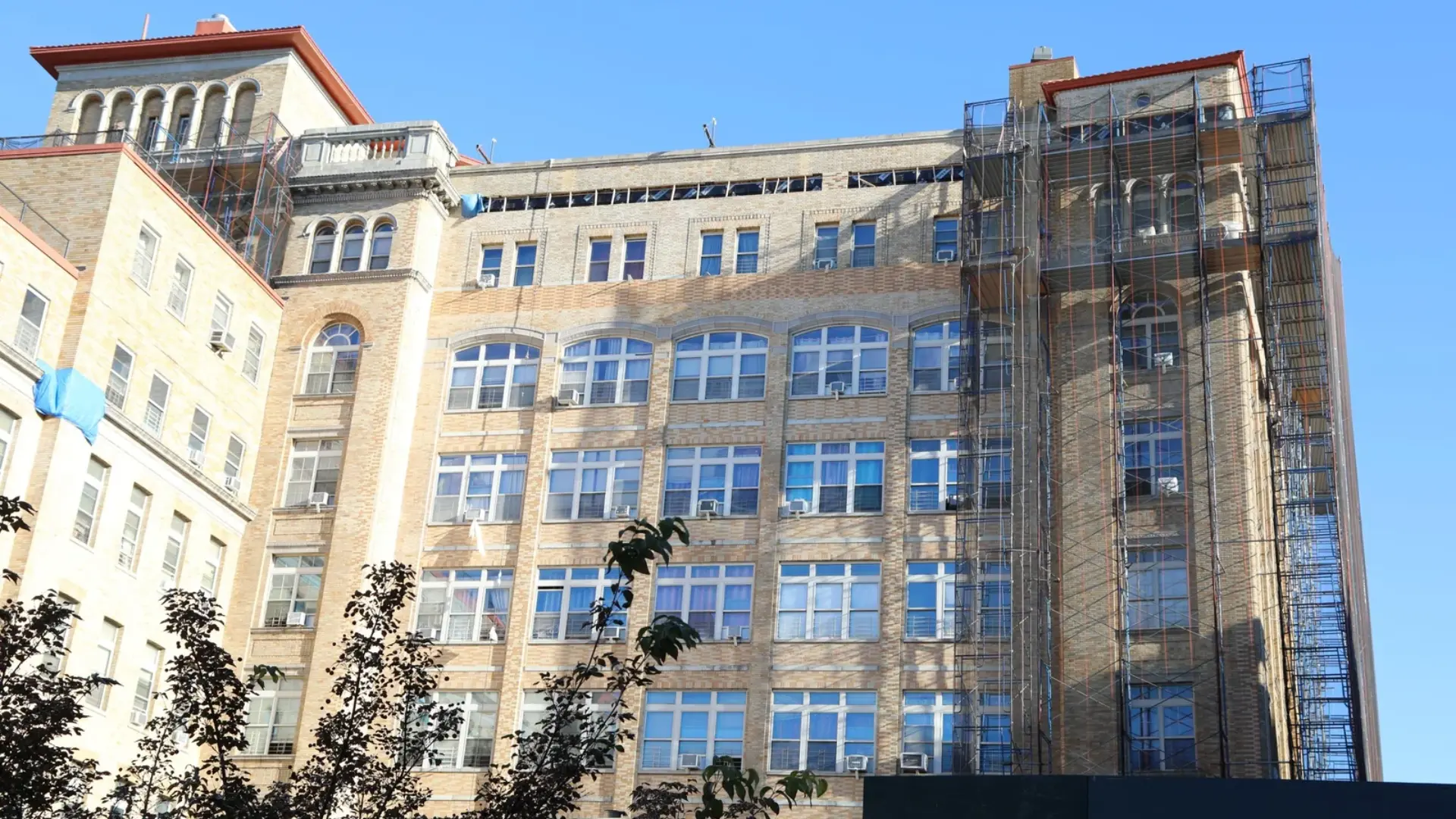
Routine façade maintenance helps property owners identify developing issues early, preserve the integrity of exterior materials, and avoid more extensive repairs in the future. For buildings throughout New York, where exterior surfaces are subjected to changing seasons and urban conditions, proactive upkeep is an important part of long-term property management.
Understanding the Role of a Building Façade
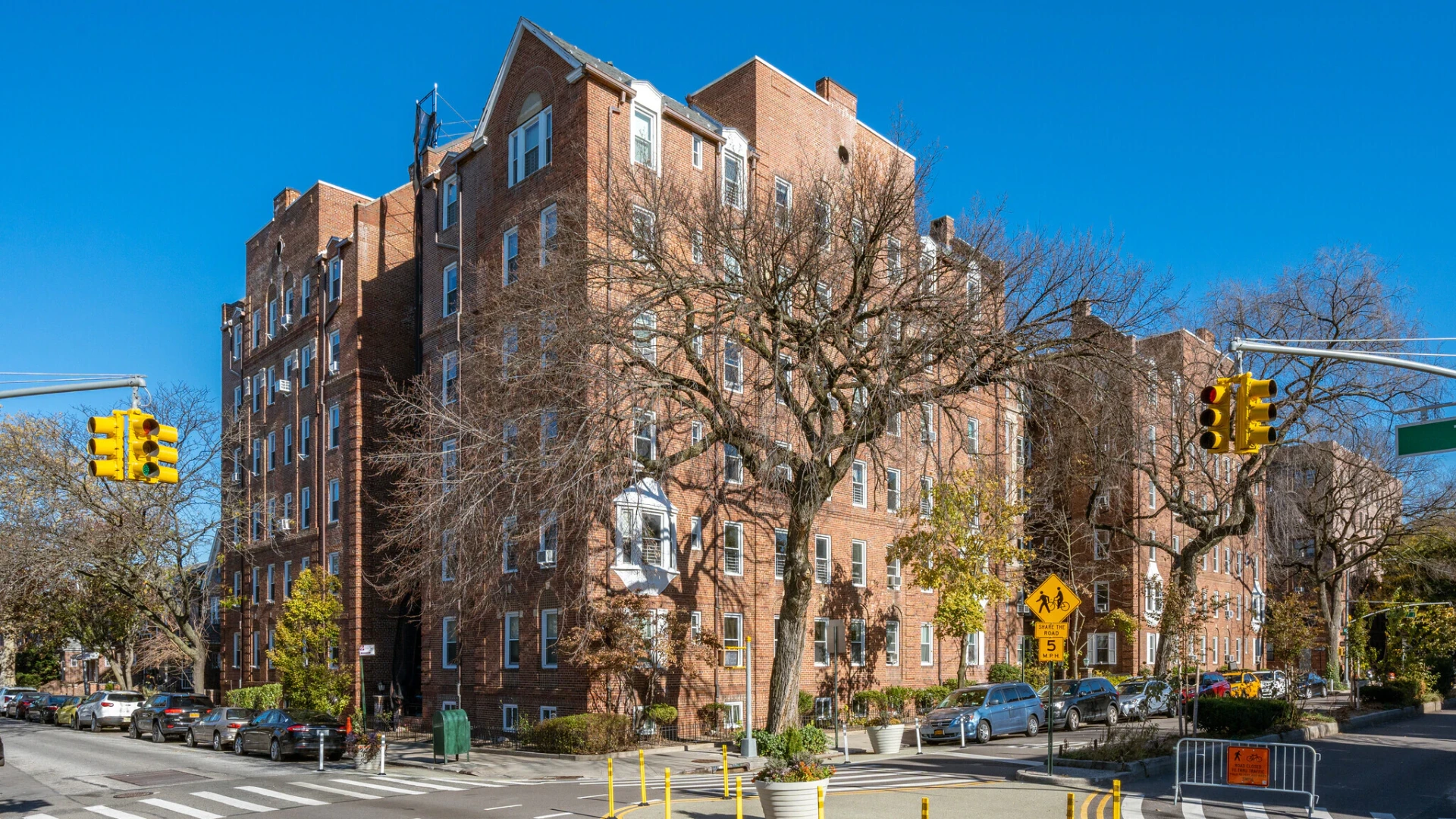
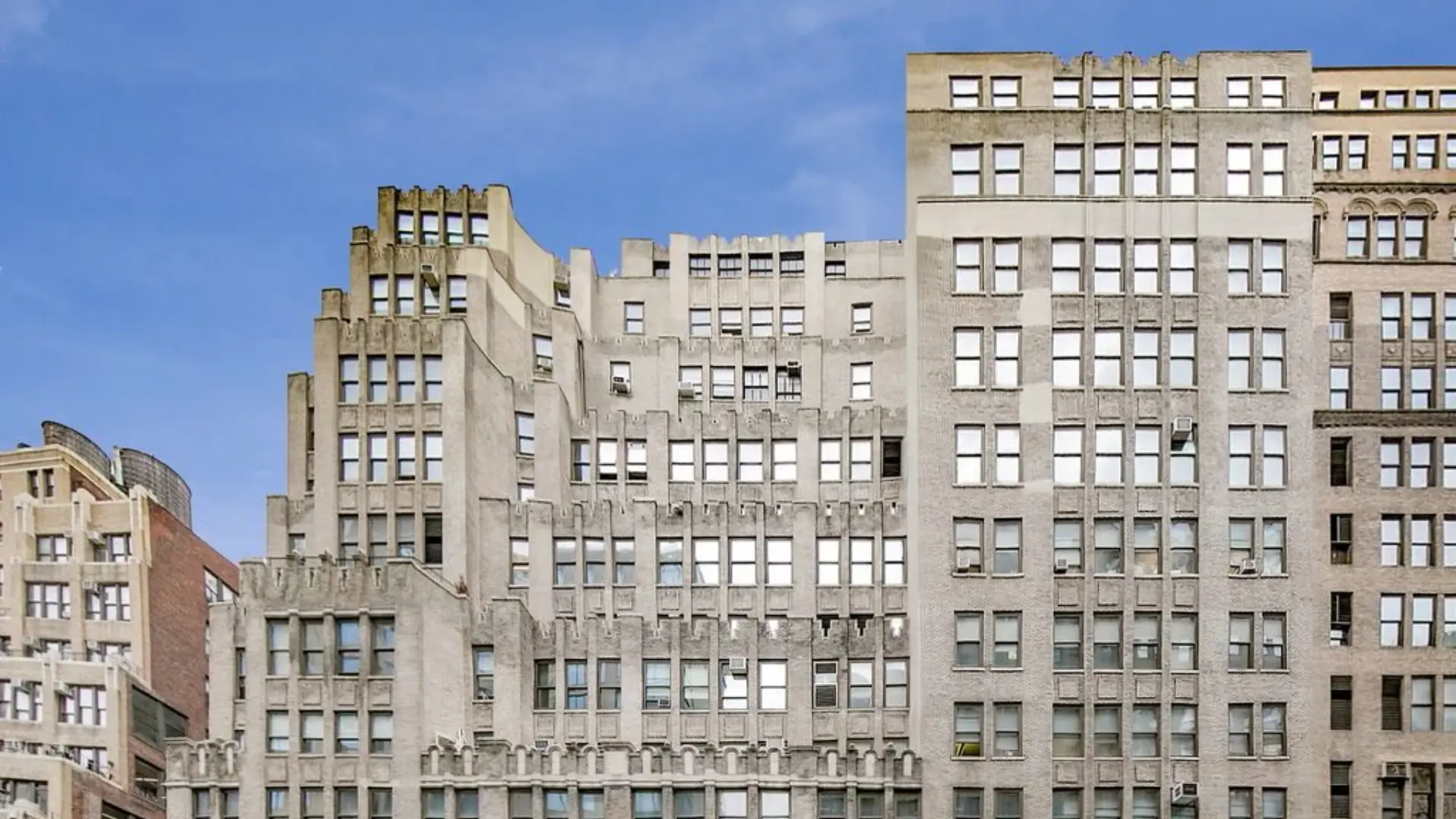
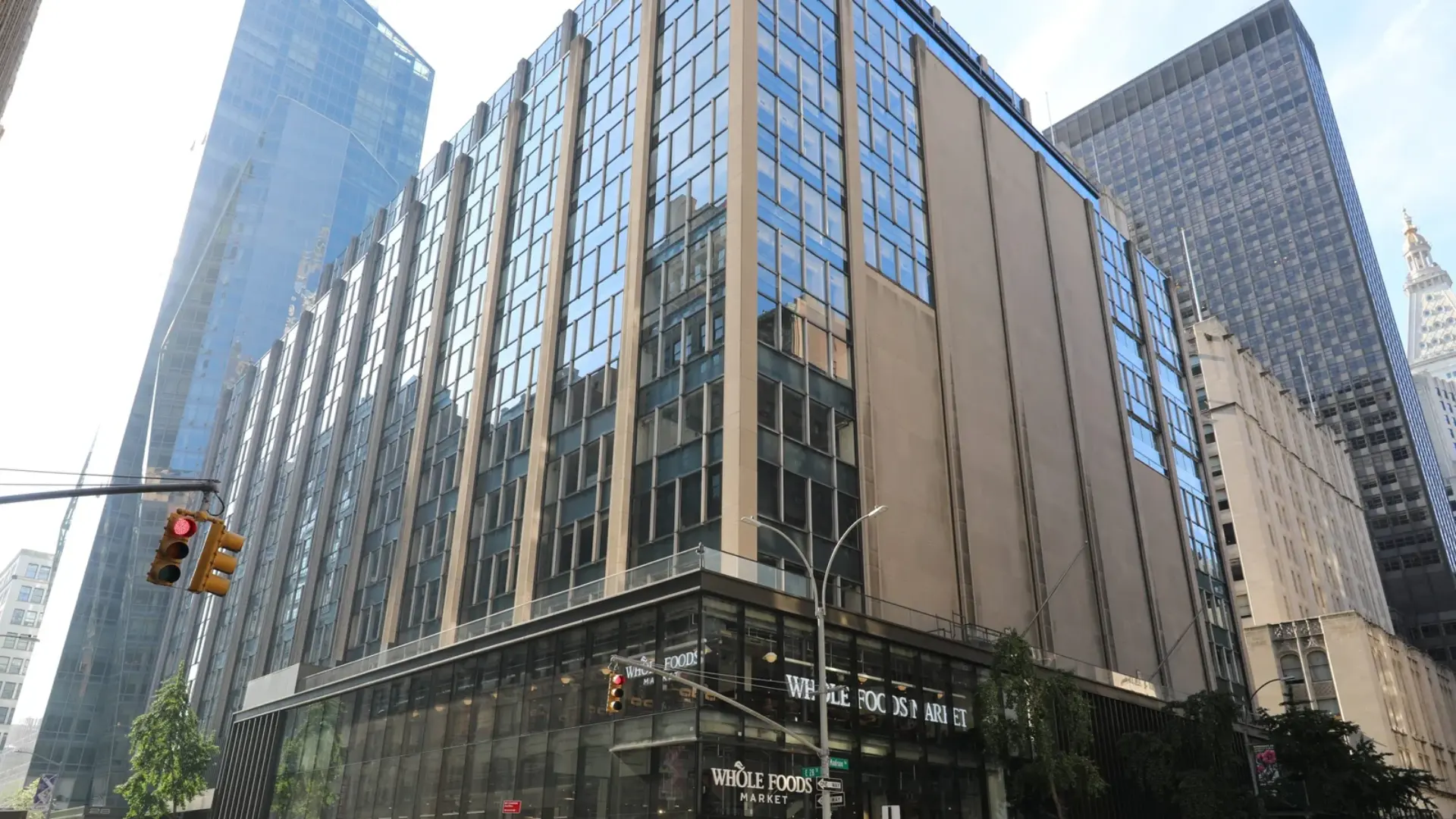
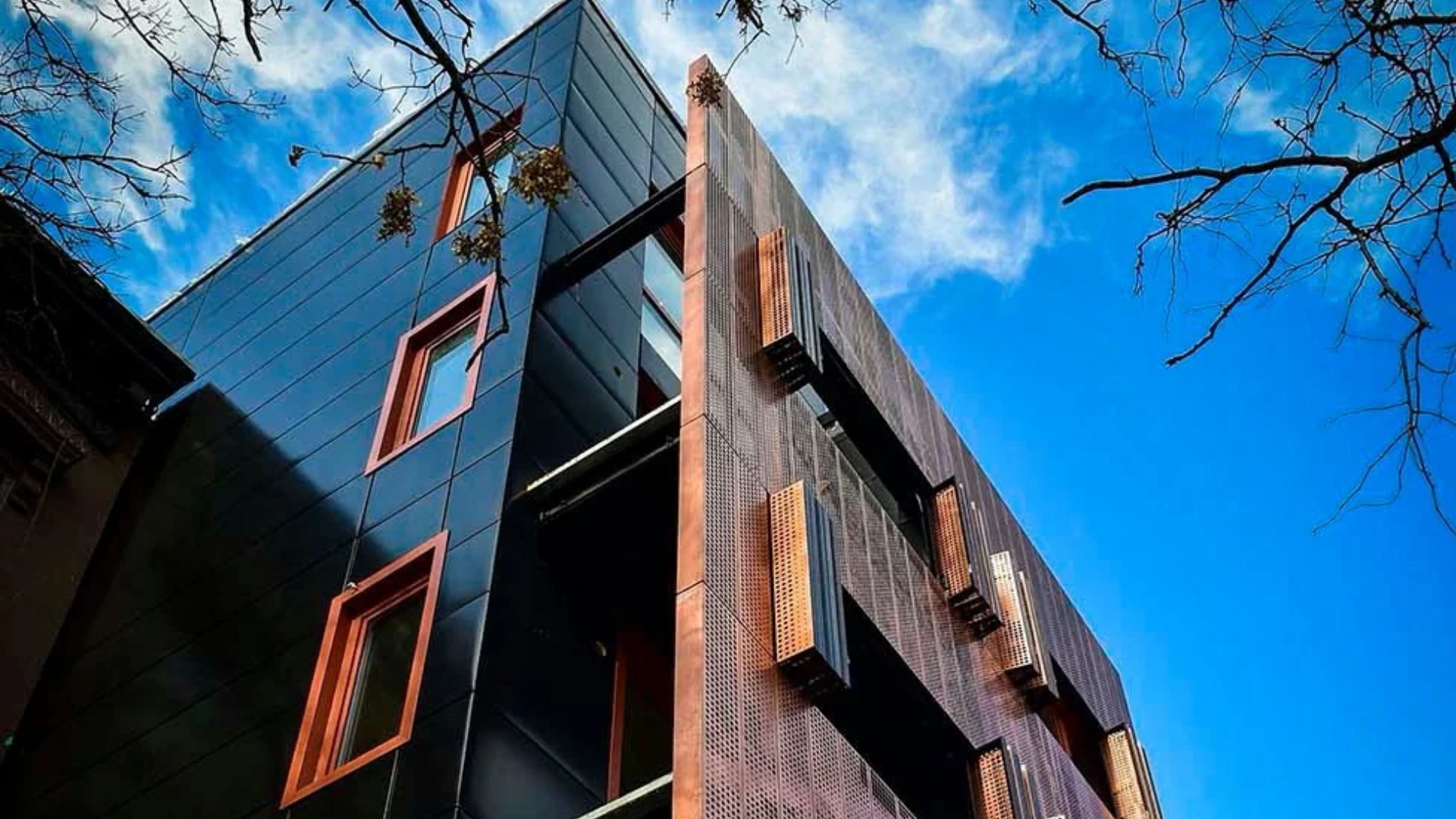
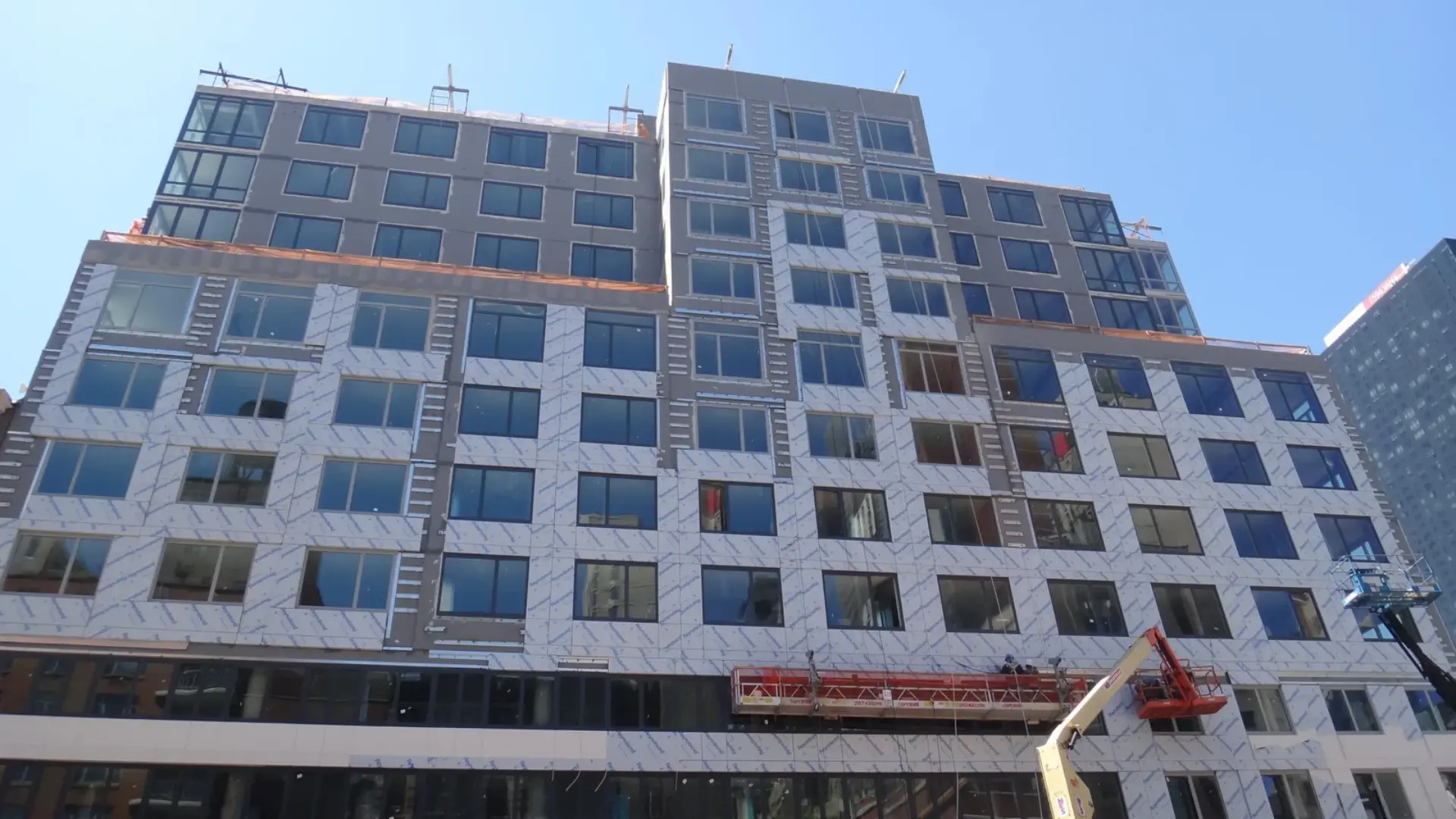
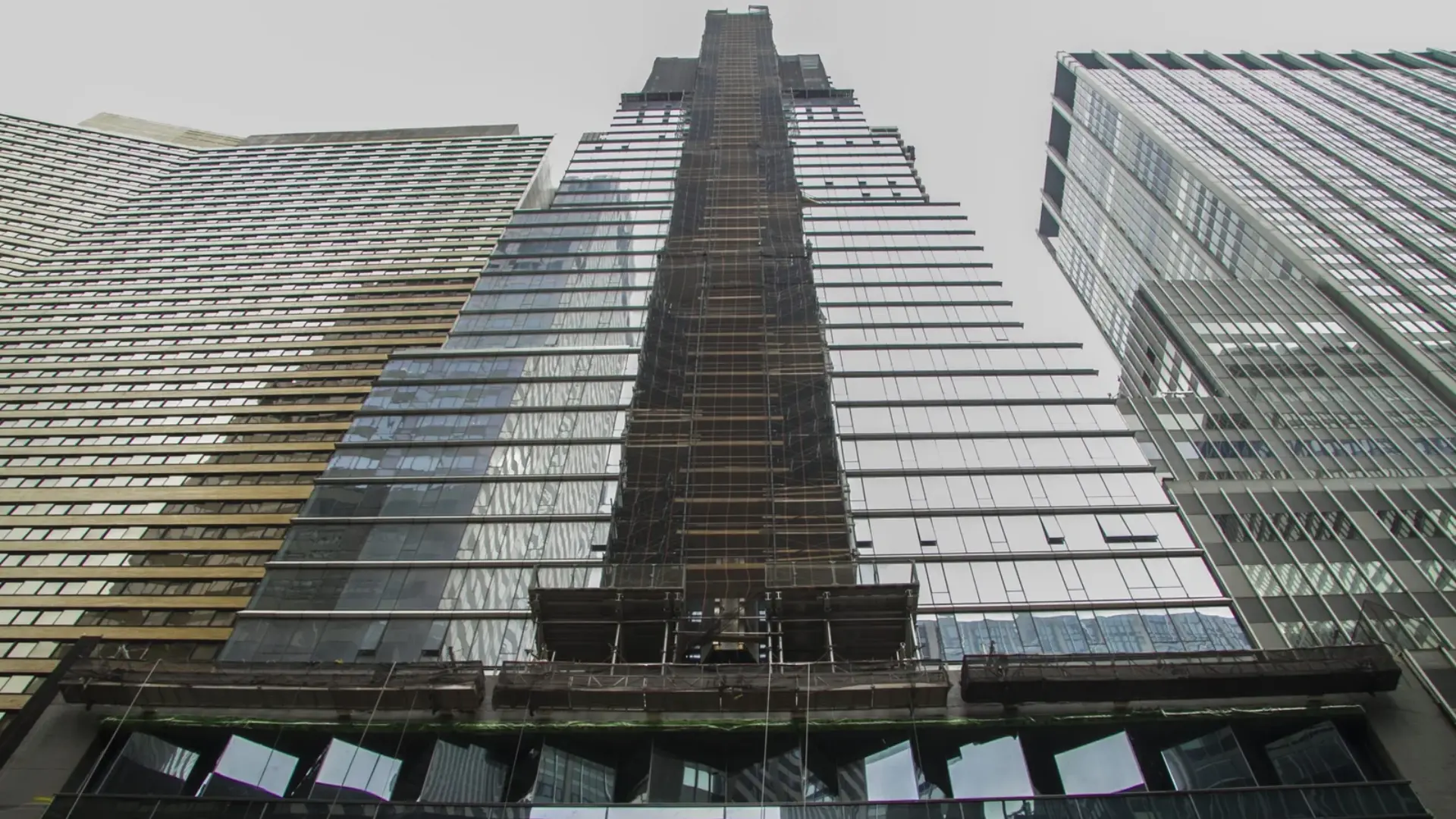
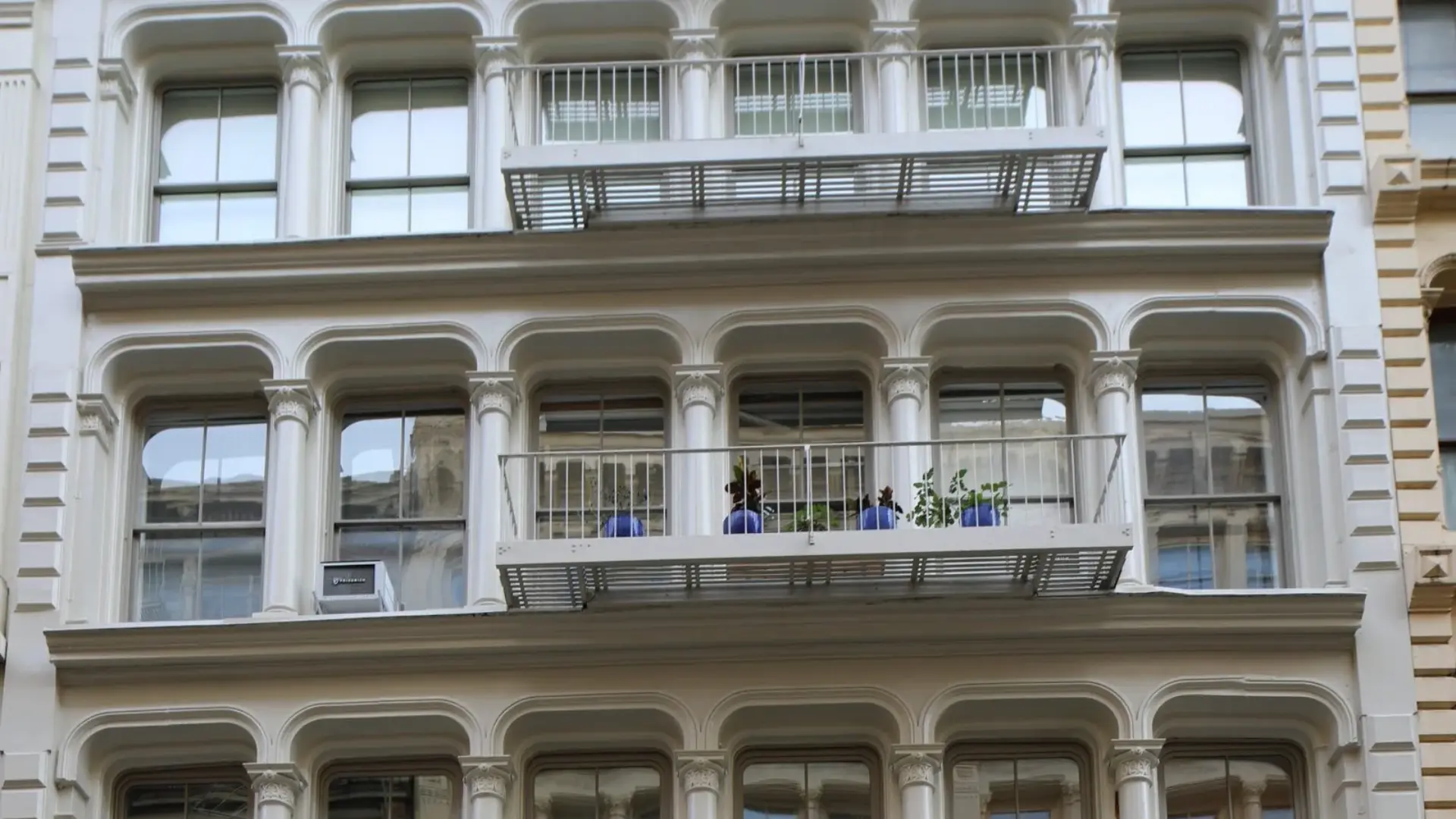
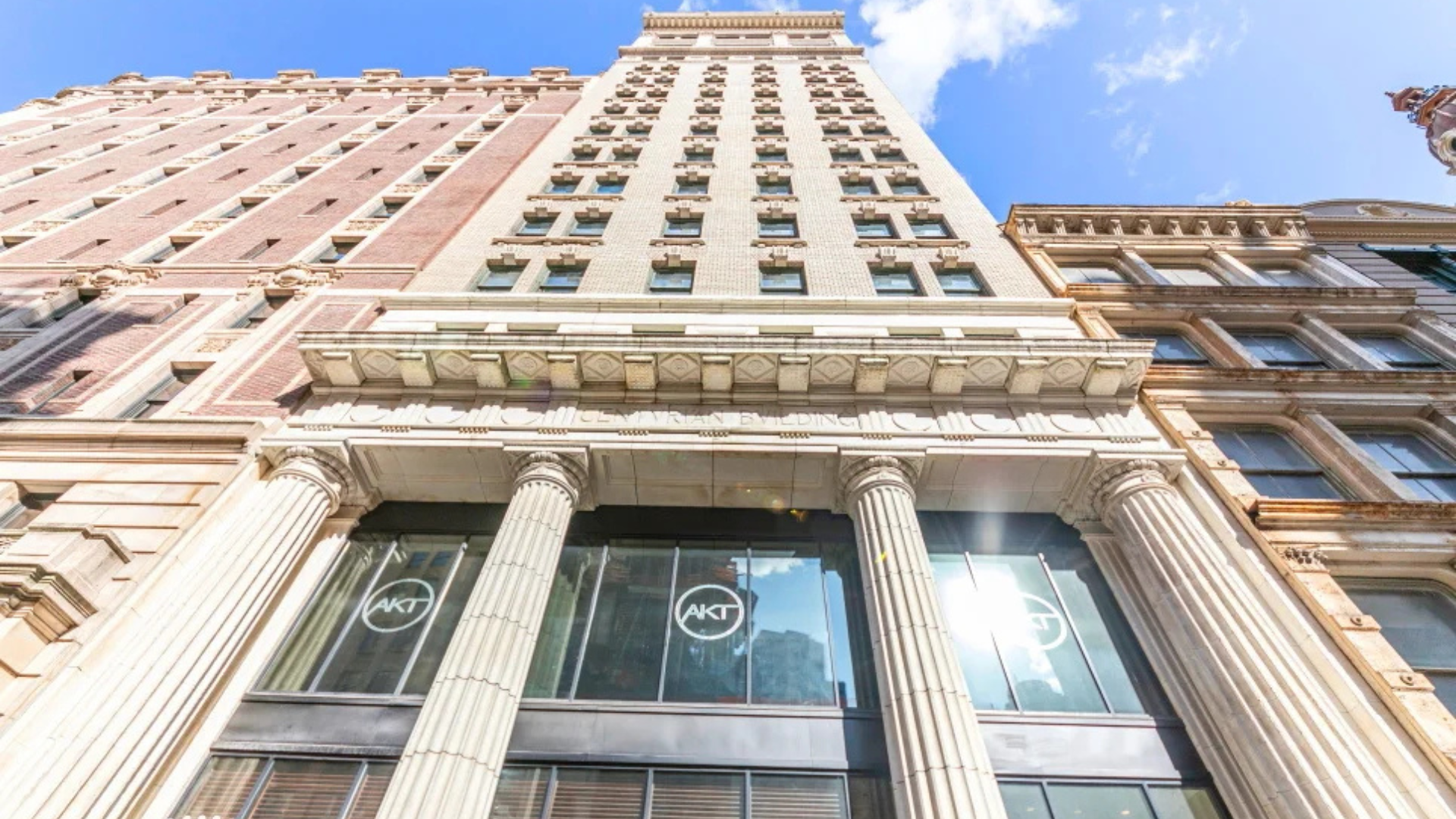
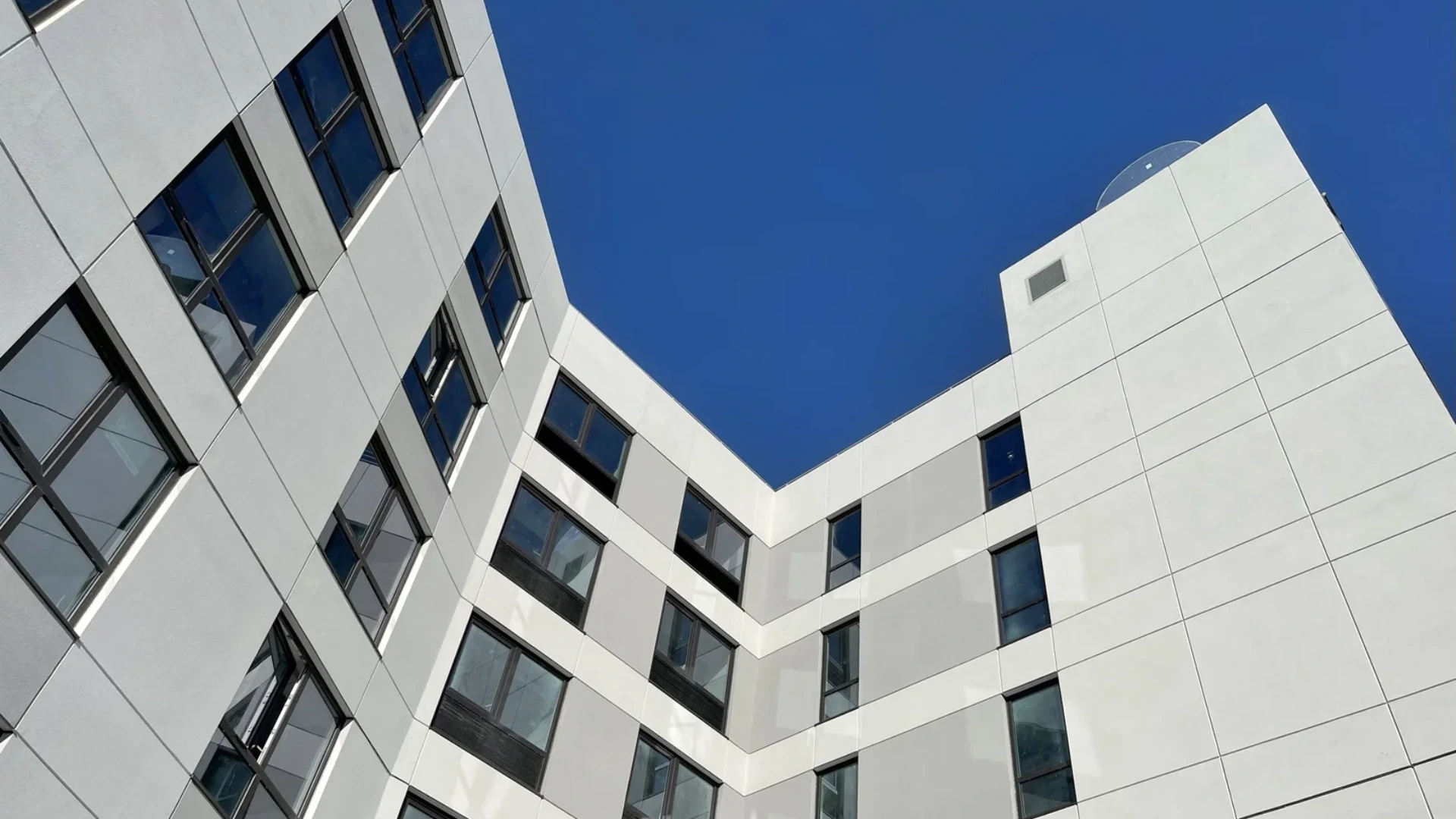
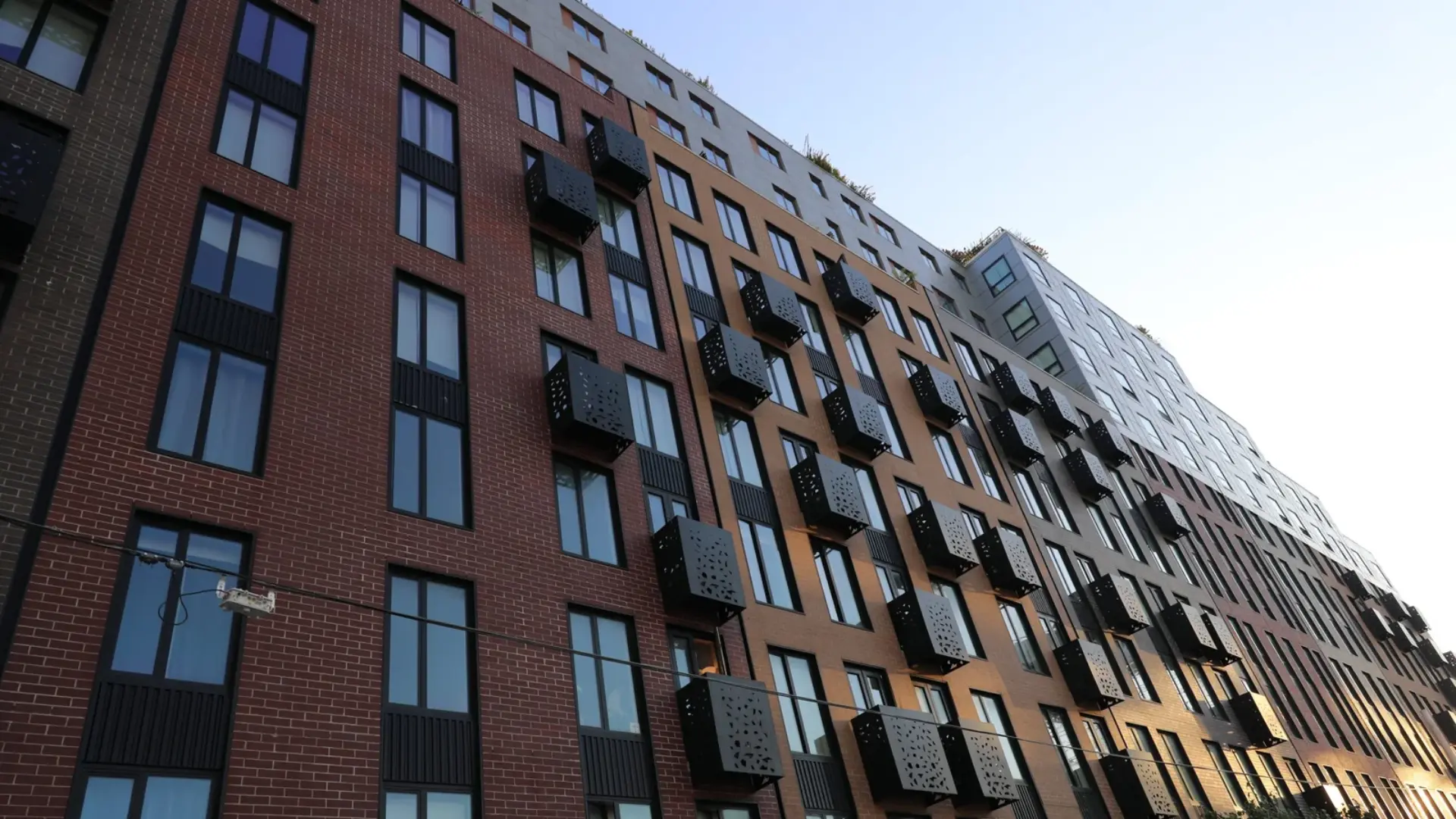
A façade encompasses the exterior envelope of a building, including materials such as masonry, stone, concrete, metal panels, curtain walls, and other architectural elements. Beyond aesthetics, façades provide critical protection against moisture intrusion, air infiltration, and structural deterioration.
When properly maintained, these systems help improve building performance, preserve property value, and contribute to occupant safety.
Why Façade Maintenance Is Important
Protects the Building Structure
Minor issues such as cracks, failed sealants, and loose materials can allow moisture to penetrate the building envelope. Left unaddressed, these conditions may contribute to corrosion, concrete deterioration, and damage to structural components.
Routine maintenance helps identify concerns before they develop into more significant restoration projects.
Preserves the Building’s Appearance
The exterior condition of a property influences how it is perceived by tenants, visitors, and the surrounding community. Staining, deteriorated masonry, and visible damage can diminish the appearance of an otherwise well-maintained building.
Consistent upkeep helps maintain the character and professional image of the property.
Supports Energy Efficiency
Gaps, failed joints, and deteriorated components can contribute to air leakage and reduced thermal performance. Addressing façade deficiencies may help improve building efficiency and support occupant comfort.
Protects Property Value
Buildings that receive regular maintenance often avoid the accelerated deterioration associated with deferred repairs. Preserving the condition of exterior systems can contribute to the long-term value of the asset.
Reduces Future Repair Costs
Early intervention is often more cost-effective than extensive restoration. Addressing smaller concerns as they arise can help minimize disruption and reduce the likelihood of emergency repairs.
Promotes Safety
Loose materials, deteriorated masonry, and compromised façade components may present safety concerns for occupants and pedestrians. Routine inspections help identify potential hazards before they become more serious.
Supports Regulatory Compliance
New York City building owners are responsible for maintaining their properties in accordance with applicable regulations. Depending on the building type and height, façade inspections may be required to assess exterior conditions and identify necessary repairs.
Common Signs of Façade Deterioration
Recognizing early warning signs can help property owners address issues before they worsen.
Common indicators include:
If these conditions are observed, a professional evaluation may help determine the appropriate course of action.
Typical Façade Maintenance Activities
Maintenance requirements vary depending on the building’s construction and existing conditions. Common activities may include:
Routine Inspections
Periodic assessments allow developing concerns to be identified and documented. Inspections help property owners prioritize repairs and establish maintenance schedules that align with the building’s needs.
Cleaning Exterior Surfaces
Environmental pollutants, biological growth, and accumulated debris can affect both appearance and material performance. Cleaning methods should be selected carefully to avoid damaging the underlying surface.
Sealant and Joint Maintenance
Sealants play an important role in preventing water infiltration. Over time, these materials may deteriorate and require replacement to maintain effective protection.
Waterproofing Measures
Protective treatments and waterproofing solutions may help improve resistance to water penetration when appropriate for the building and substrate.
Practical Strategies for Long-Term Upkeep
Property owners and managers can support façade performance through a proactive maintenance approach.
Consider the following practices:
A structured maintenance program often helps reduce unexpected expenses and extend the service life of exterior systems.
The Value of Professional Assessment
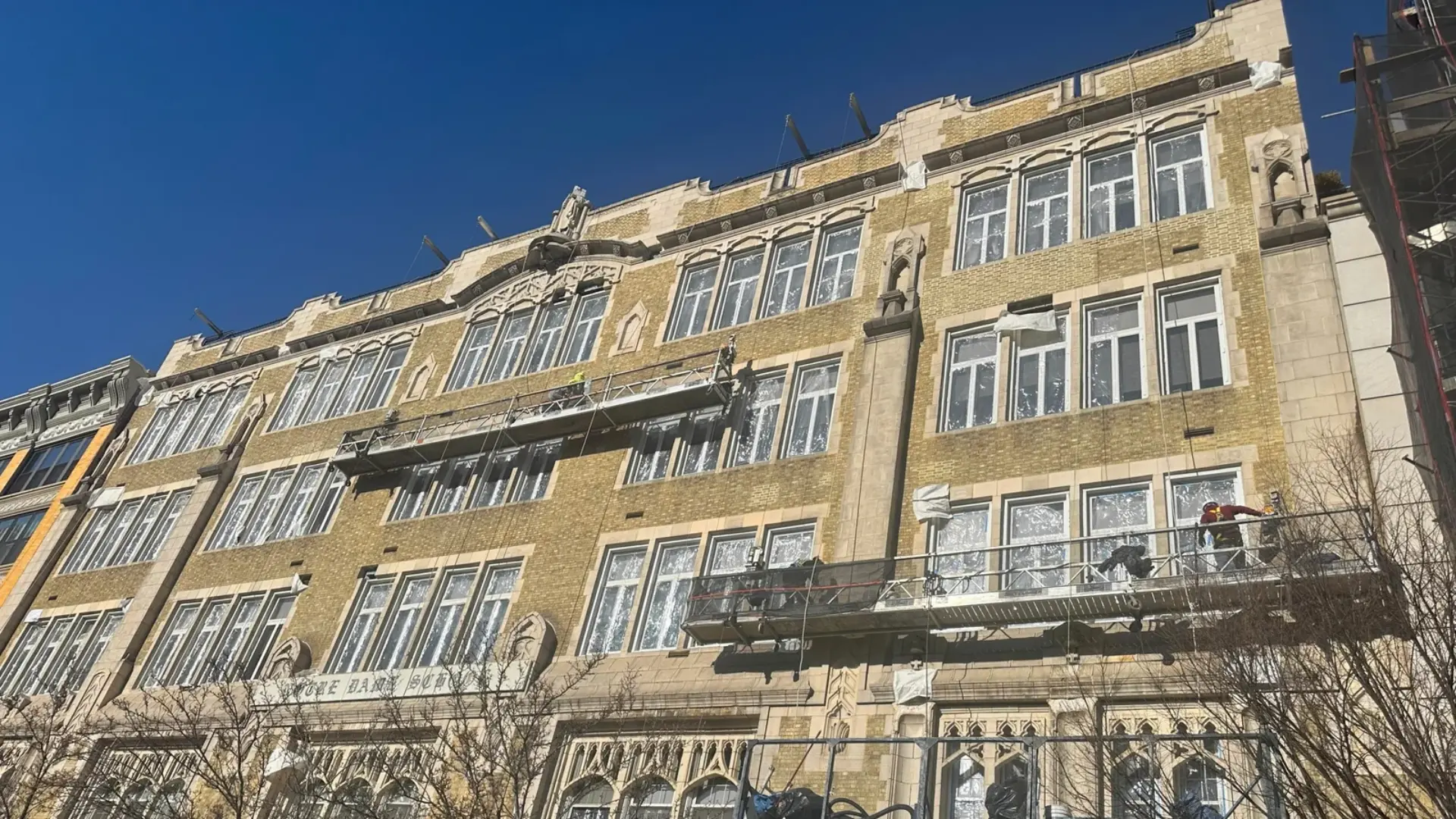
While certain signs of deterioration may be visible, underlying conditions are not always apparent from ground level. Professional evaluations can provide a more comprehensive understanding of façade performance and help prioritize repairs based on observed conditions.
Early identification of concerns allows property owners to make informed decisions that support both safety and long-term building preservation.
Protecting Your Building Through Preventive Maintenance
Façade maintenance is an essential component of responsible property ownership. Regular inspections, timely repairs, and preventive care help preserve appearance, protect occupants, and reduce the likelihood of more extensive restoration work in the future.
If you have concerns about the condition of your building’s exterior or are planning upcoming maintenance and restoration work, MGR Restoration Inc. can help assess your property’s needs and recommend practical solutions tailored to your building.